FREE SHIPPING ON ORDERS OVER $100**

Amplifiers for speaker pods

Power your pod build the right way

The right amplifier isn’t about maximum wattage – it’s about matching your speaker quantity, final impedance, and RMS power for clean, reliable performance.

Choose your amplifier configuration

Start with how you want to divide power across your pod system.

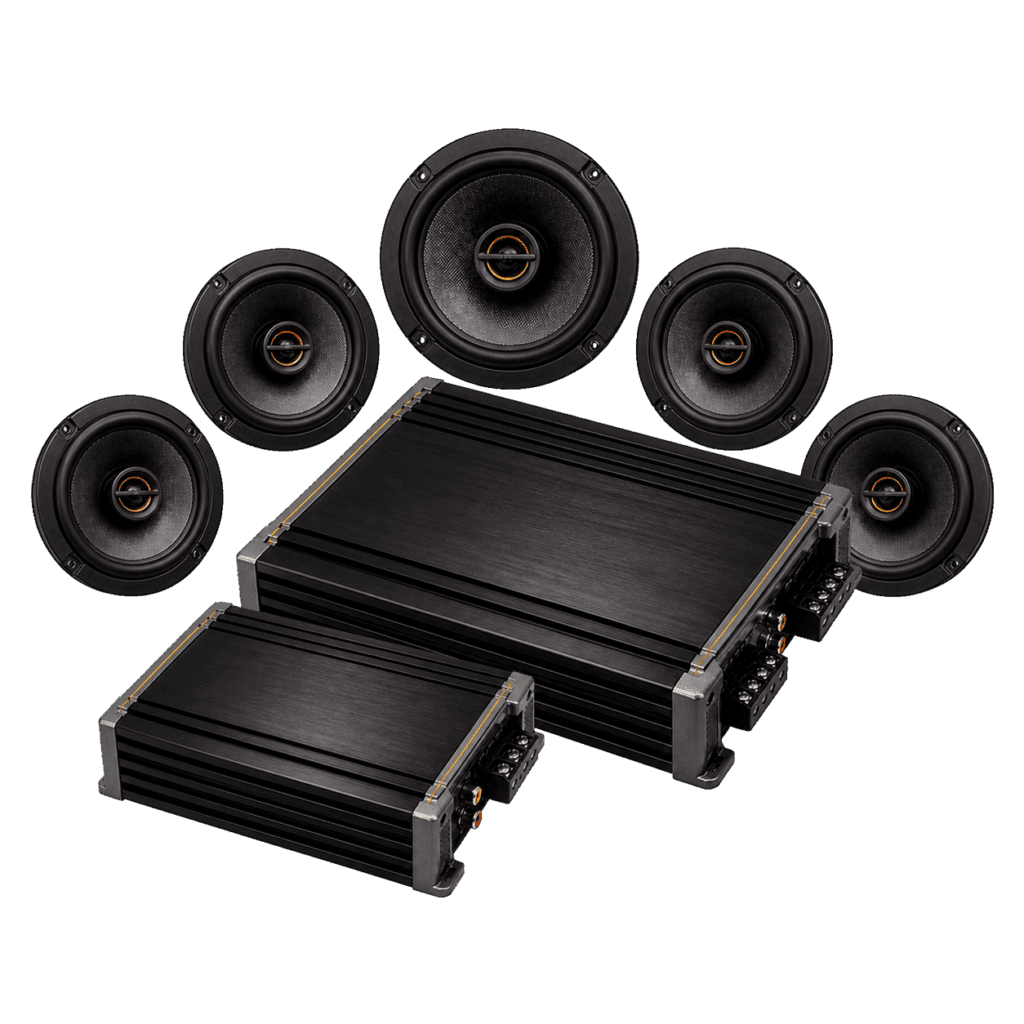
5-6-channel-amplifier-hero
5–6 Channel
Powers complete system. Doors, pillars and subs.
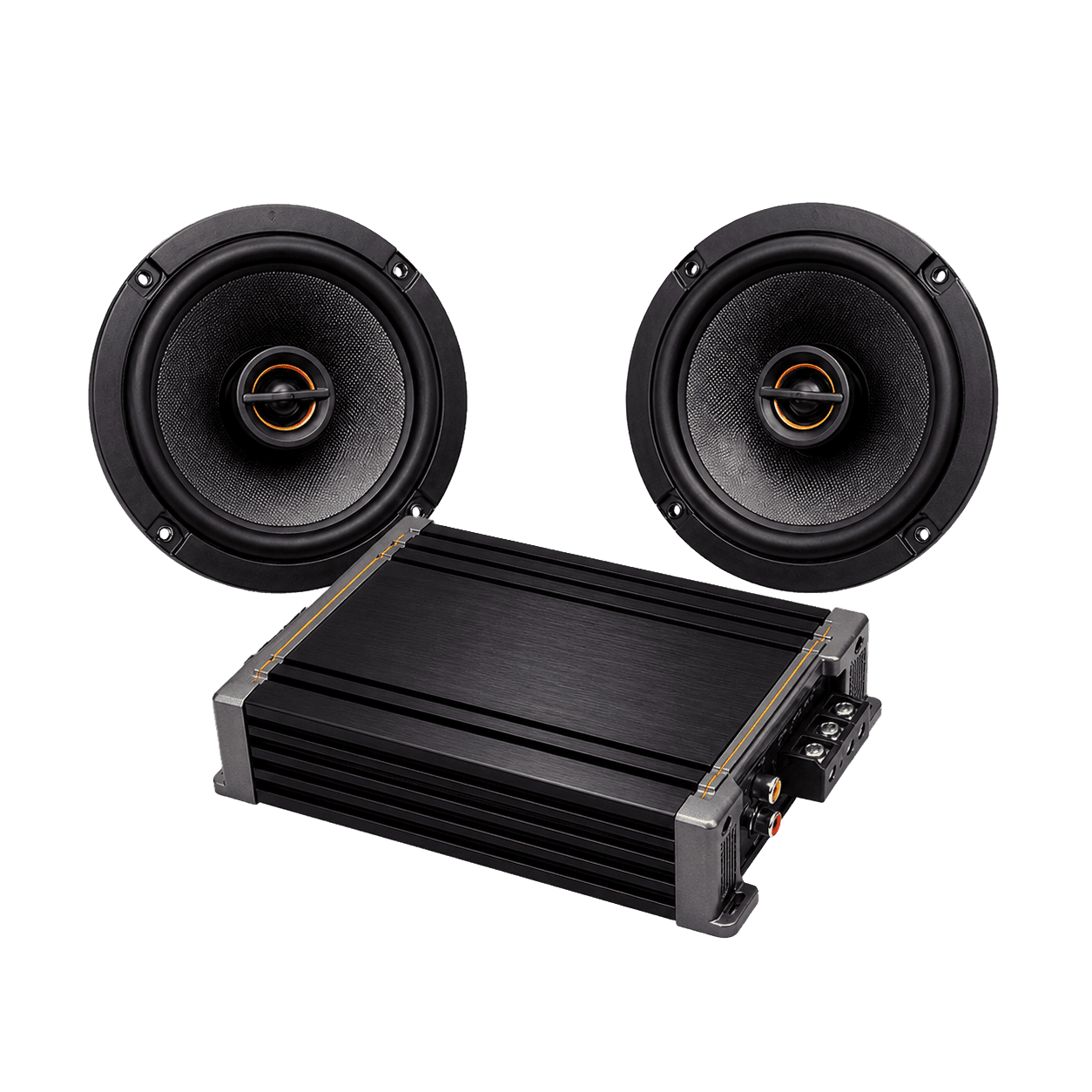
2-channel-amplifier-hero
2-Channel
Powers two individual speakers or a pair of dual-speaker pods.
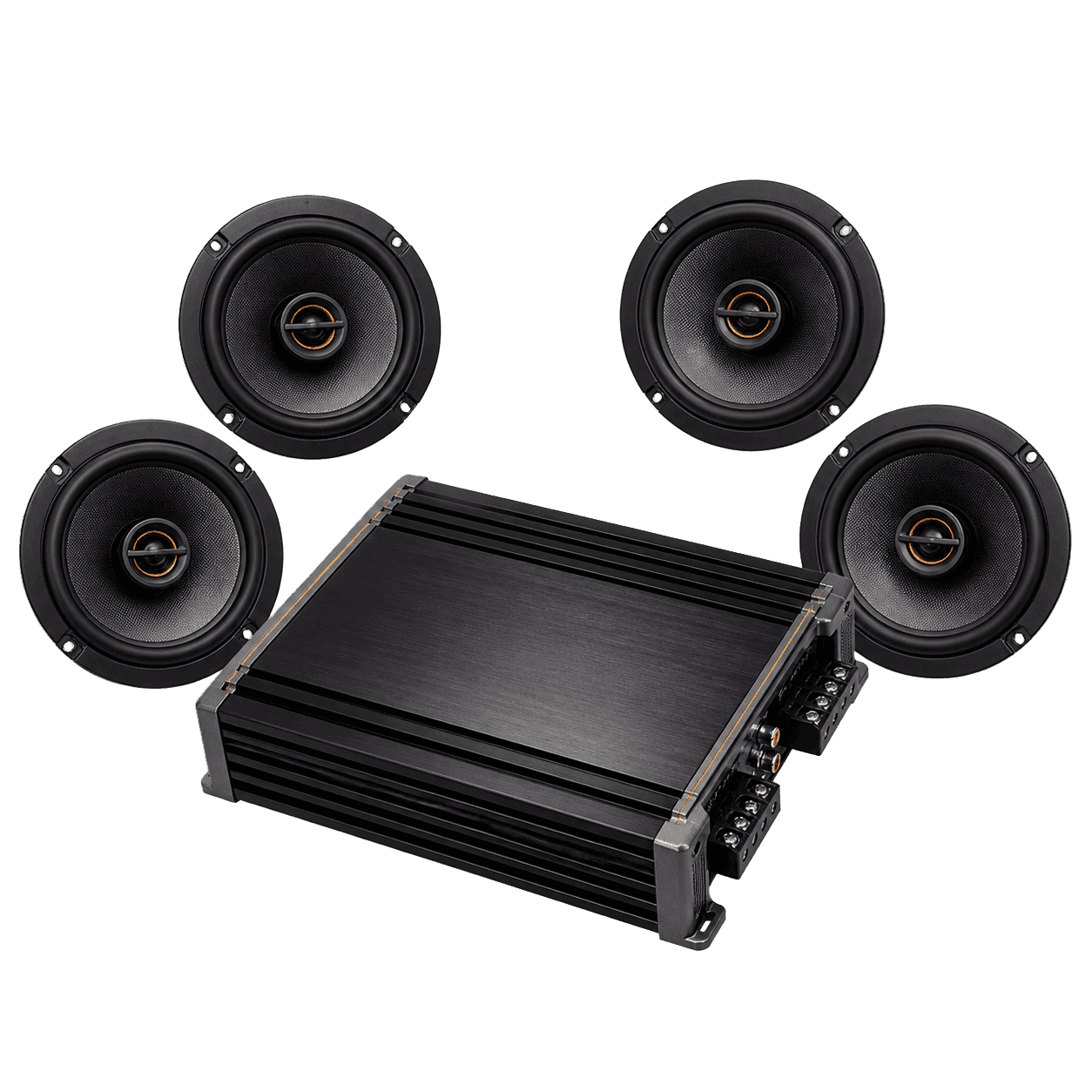
4-channel-amplifier-hero
4-Channel
Best for four-door builds with dual-speaker pods.
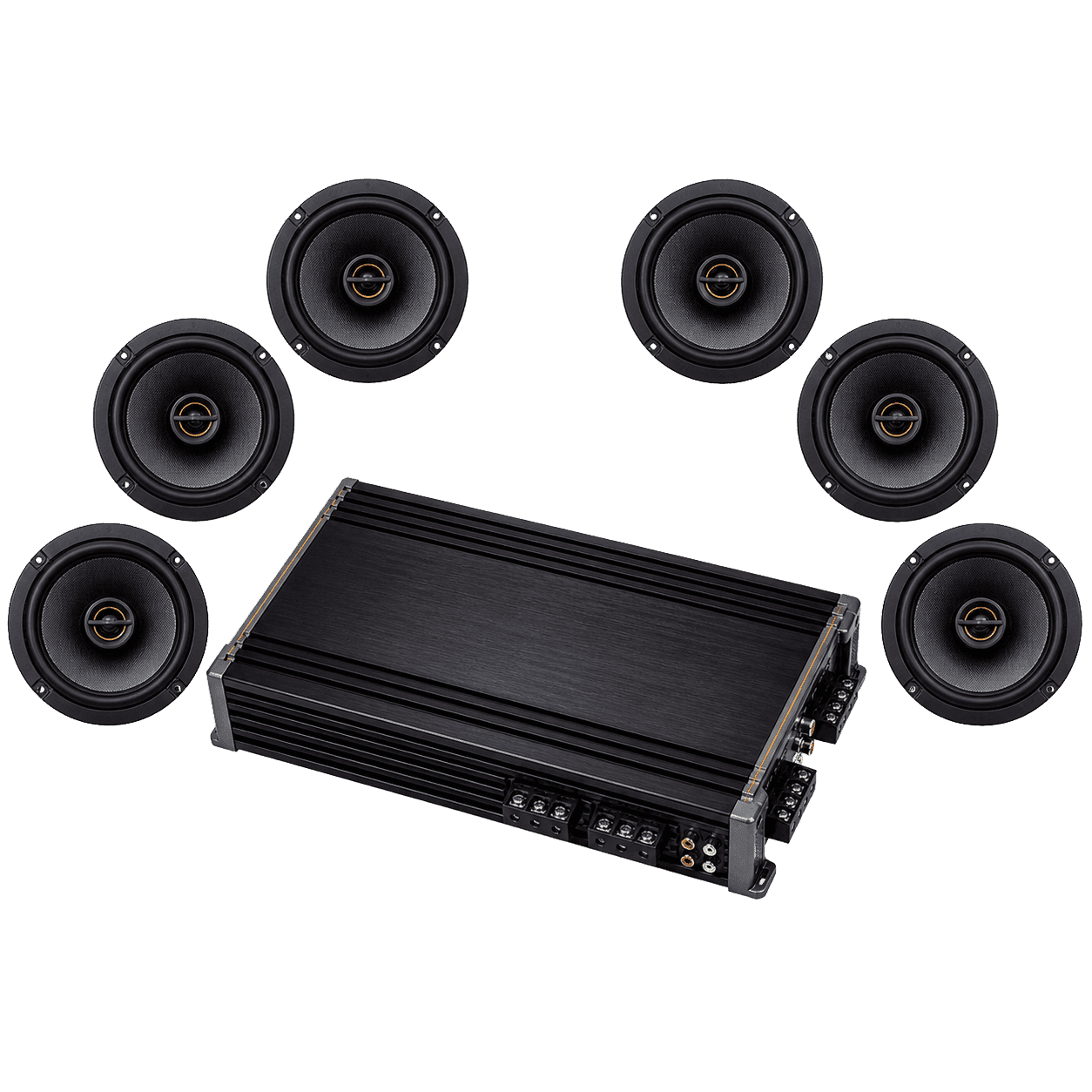
full-range-mono-amplifier-hero
Full-Range Mono
Every connected speaker plays the same mono signal.

Not sure how many channels you need?

You’re not alone.  Follow these simple steps to match an amplifier to your pod system with confidence and get the clean, reliable performance you’re after.

1. Count your speaker locations

Decide which speakers need independent control.

Impedance in ohms

2. Determine the final load

Calculate the impedance connected to each channel.

3. Match RMS Power

Compare amplifier RMS output at that final load.

Popular amplifiers for pod builds

150W RMS

4-Ohm

250W RMS

2-Ohm

4 AWG

Power-In

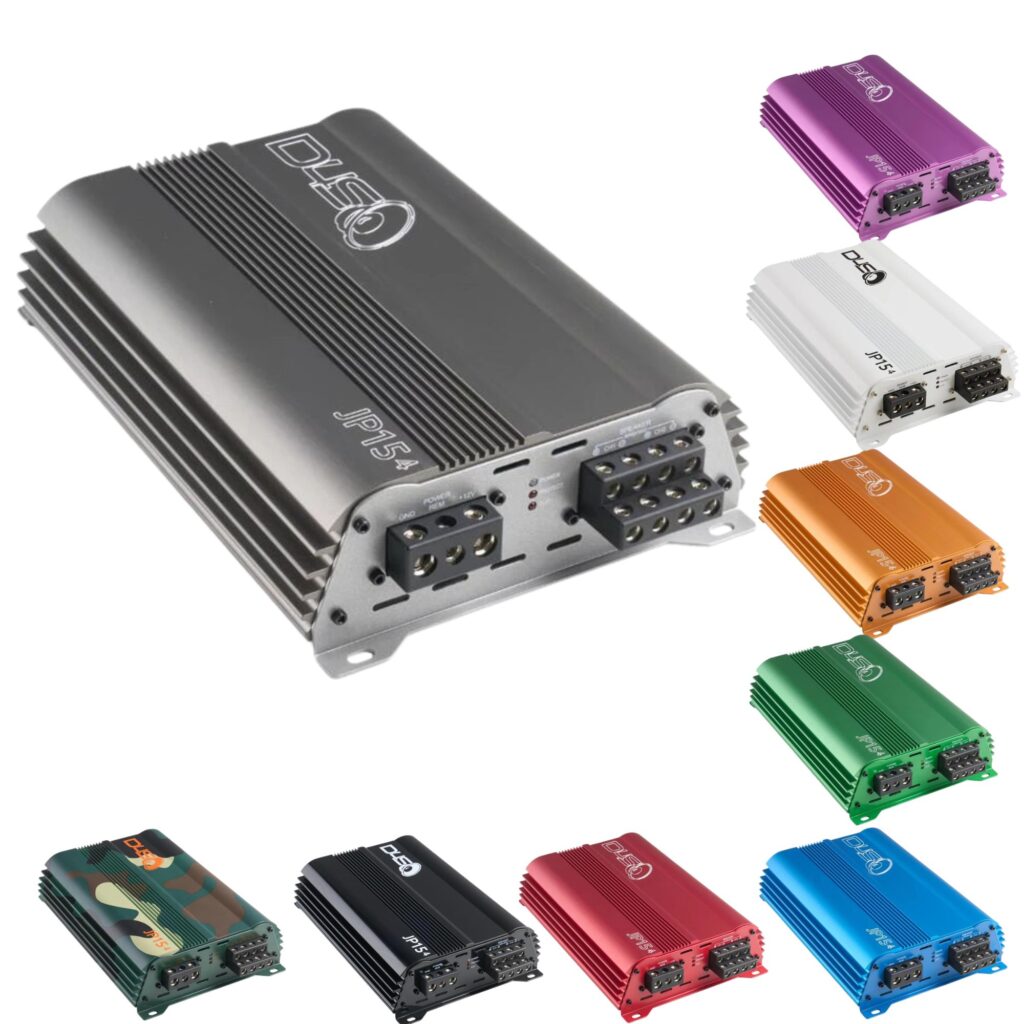
Down4Sound JP154
Strong 4-Channel Power for Multi-Speaker Pod Builds
150W RMS

4-Ohm

225W RMS

2-Ohm

4 AWG

Power-In

Sundown Audio SAEv4-150-4
Strong 4-Channel Power for Multi-Speaker Pod Builds
200W RMS

4-Ohm

320W RMS

2-Ohm

4 AWG

Power-In

DS18 SXE-30004D-BLA
Strong 4-Channel Power for Multi-Speaker Pod Builds

Finish the install

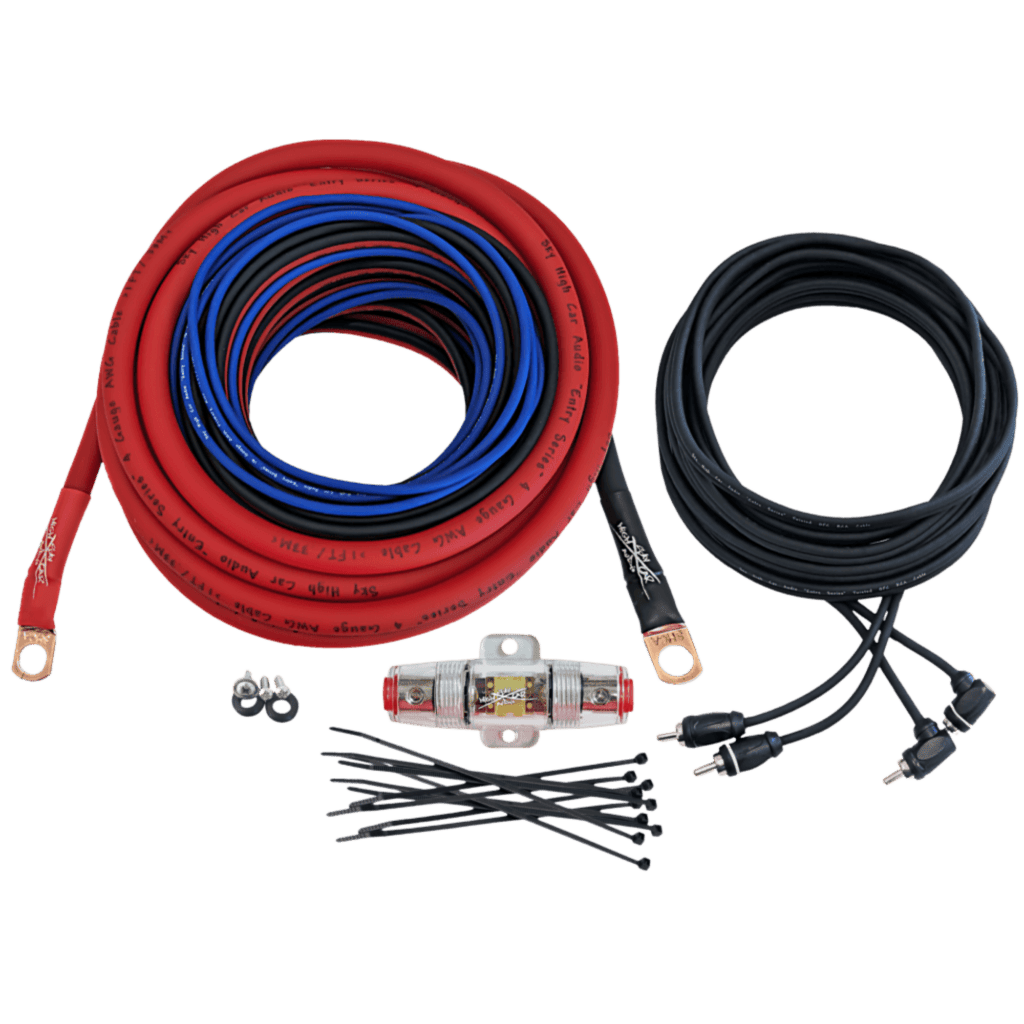
DON'T FORGET THE AMP WIRE KIT

Wire gauge is selected from the amplifier’s power rating and current draw – not the number of channels.

COMMON QUESTIONS

Start with the number of independent speaker groups you want to control. A 2-channel amplifier works well for two speaker groups, while a 4-channel amplifier offers more flexibility for four-door builds and multiple dual-speaker pods. A full-range mono amplifier can power several speakers together when they are wired to a safe final impedance.

Yes. Two speakers can share one amplifier channel when they are wired correctly and the resulting impedance is safe for the amplifier. Two 4-ohm speakers wired in parallel create a 2-ohm final load, so the amplifier must be stable at 2 ohms per channel.

Compare the amplifier’s RMS output at your final speaker impedance with the combined RMS power handling of the connected speakers. The amplifier does not need to match the speakers perfectly, but it should provide enough clean RMS power without exceeding what the speakers can safely handle.

The correct wire gauge depends on the amplifier’s current demand, fuse rating and installation length. Each amplifier product page includes a recommended power-wire size and compatible amplifier wiring kits when that information is available.

Most amplifiers do not include the power, ground, fuse, remote and signal wiring required for installation. A properly sized amplifier wiring kit should normally be purchased separately.

Many customers install their own amplifiers, but the power cable, fuse placement, grounding point, signal wiring and speaker impedance must all be handled correctly. If you are unsure about any part of the installation, we recommend working with an experienced car-audio installer.


Contact us with the speakers you plan to use, the number of speakers in each pod and how many pods you need to power. We can help determine the appropriate channel configuration, impedance, RMS power range and wiring-kit size.

Custom Speaker Pods