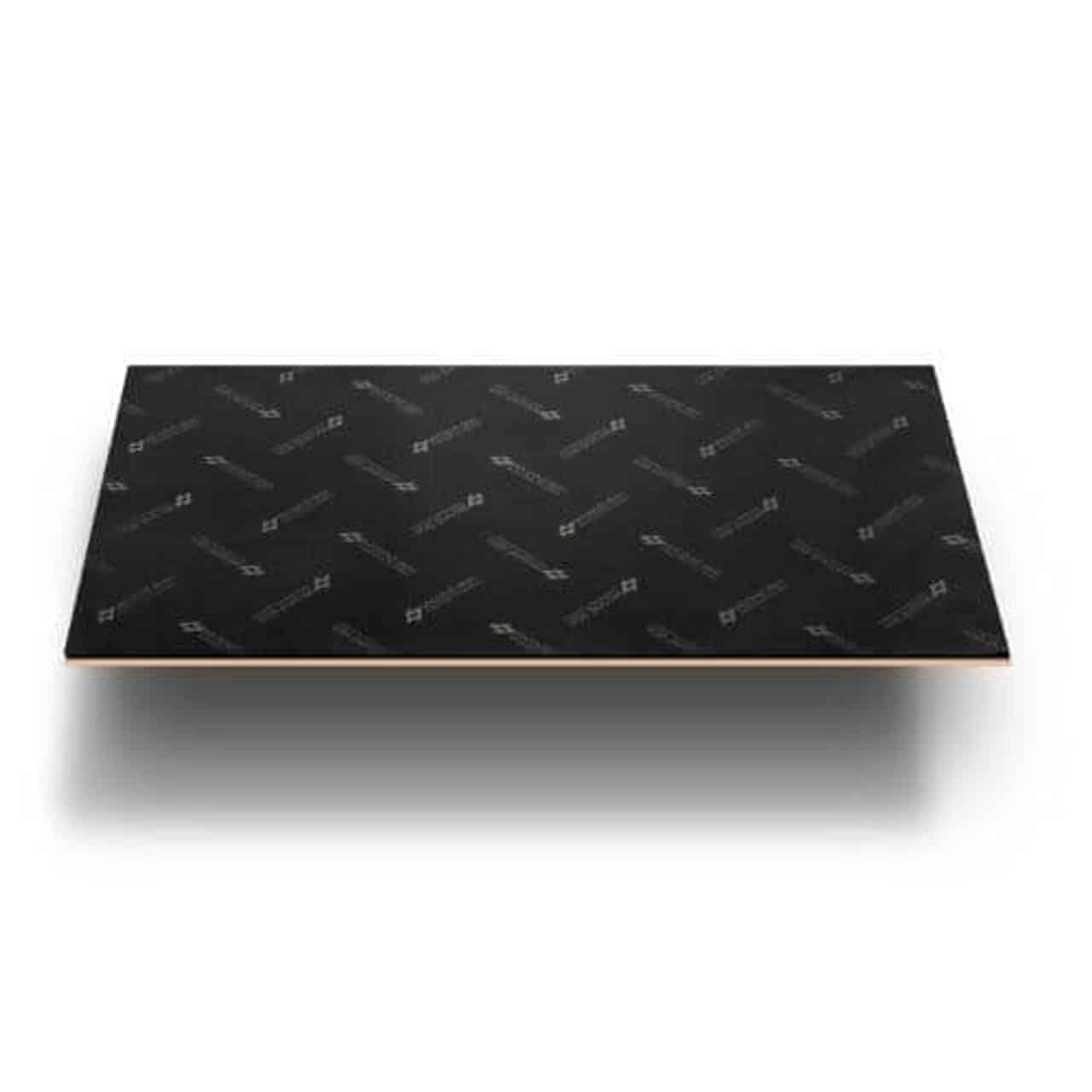
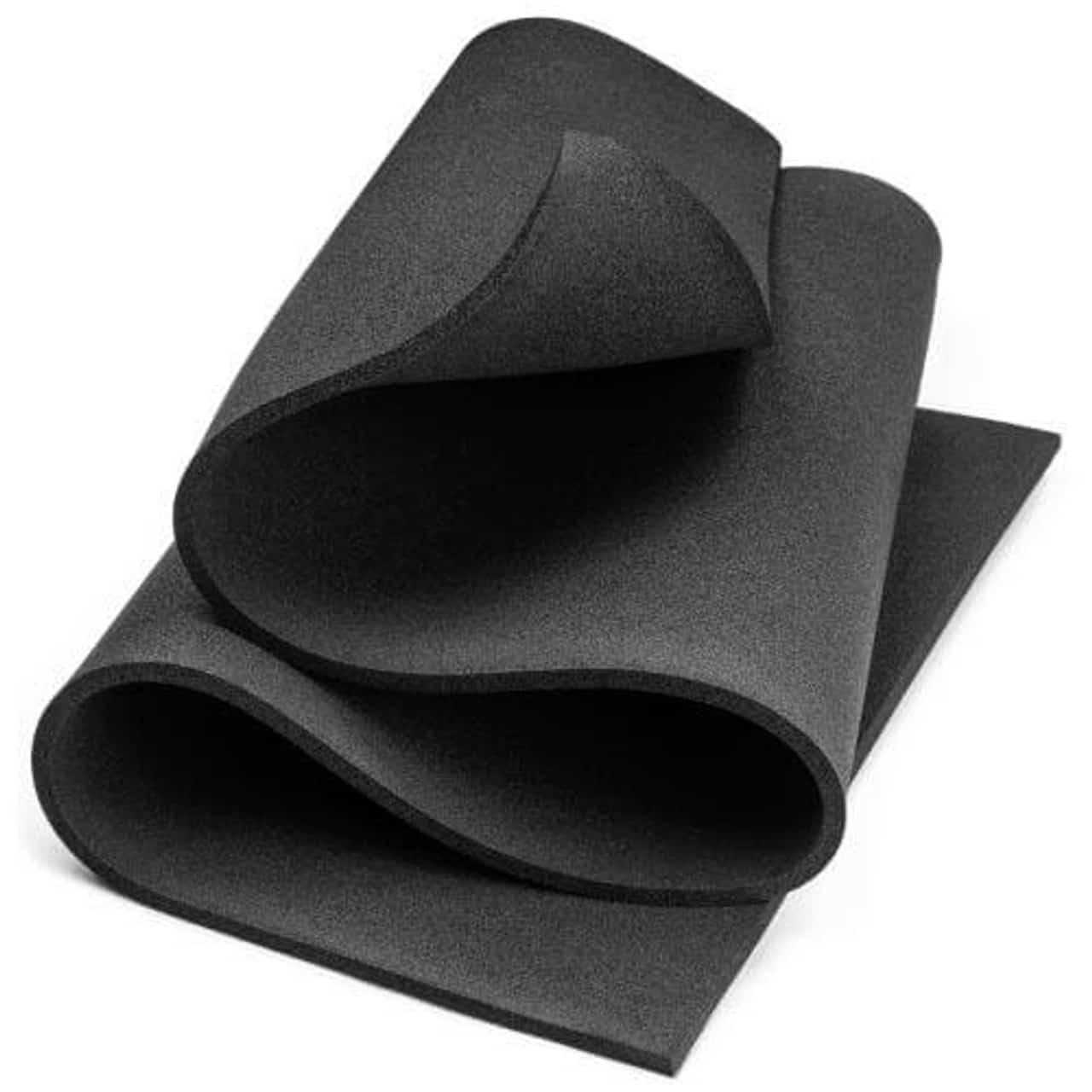
Damping mat is applied directly to metal or large plastic surfaces to control vibration and panel resonance. Foam serves a different purpose: closed-cell foam separates panels and contact points, while acoustic foam helps absorb reflections behind speakers. Many installations use more than one material because each solves a different problem.
Not necessarily. Start with broad areas of metal or plastic that ring, flex or resonate when tapped. Strategic coverage around the speaker mounting area and larger flat sections can be effective without covering every inch. Keep drainage paths, fasteners, wiring and moving parts clear.
Apply damping mat to resonant metal or plastic surrounding the speaker opening. Suitable acoustic foam or a speaker pad can be positioned behind the speaker to help manage rear-wave reflections. Closed-cell foam can also be used between panels or trim pieces that may touch and rattle.
Sound treatment can reduce many common vibrations, squeaks and panel-contact noises, but it cannot guarantee that every rattle will disappear. Loose fasteners, damaged clips, wiring, interior components and other mechanical issues should be located and corrected during installation.
A roller is strongly recommended. Firm, even pressure helps the adhesive make full contact with the surface and works the material into contours and recessed areas. Before installation, clean and dry the surface and follow the product manufacturer’s application instructions.
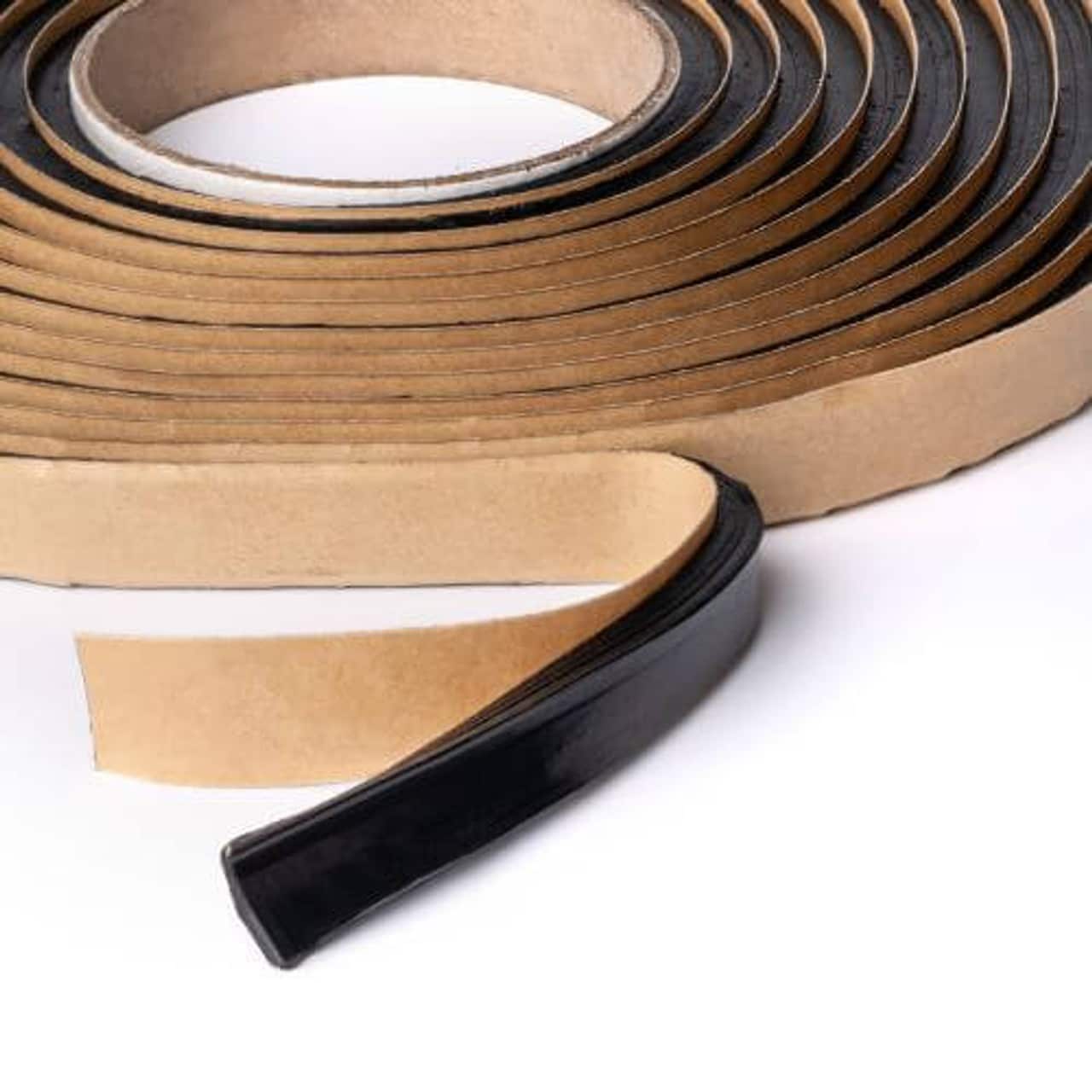
Closed-cell foam or butyl sealant tape can be used to separate panels and contact points that may squeak or rattle. Choose the material and thickness carefully so the panels can still be reassembled correctly without excessive pressure or misalignment.
Install and test-fit the sound-treatment materials before the final speaker-pod installation. This allows you to confirm panel clearance, reach the areas surrounding the speaker opening and make sure fasteners, drainage paths and moving components remain accessible.