FREE SHIPPING ON ORDERS OVER $100**

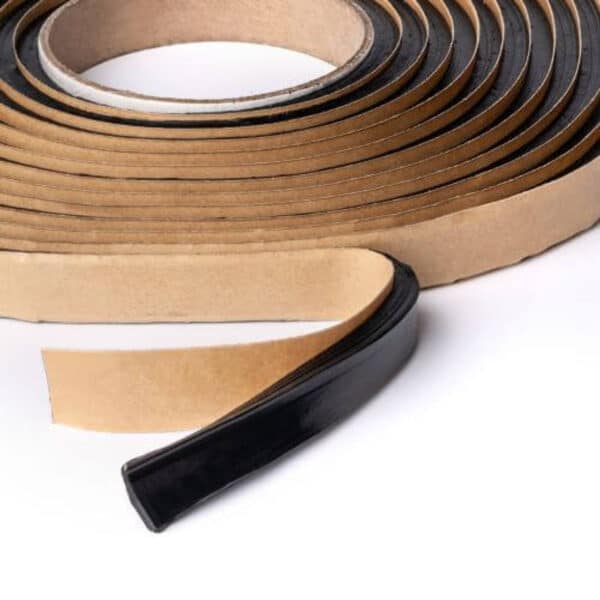
Second Skin Damplifier Butyl Sealant Tape

Butyl sealant tape for quieter, better-controlled installations
SKU: Butyl Sealant Tape
Purpose-selected sound-treatment material for reducing unwanted vibration, noise, reflections, or panel contact in vehicle audio installations.

Price range: $23.95 through $385.00

Rating:

Butyl sealant tape

Designed for vehicle interiors

Adhesive-backed installation

Best for

Sealing, absorbing, and controlling unwanted noise in vehicle interiors

Mounting application

What this material does

Butyl sealant tape

Type

Butyl sealant tape

Material

Butyl sealant tape

Thickness

Not listed

Facing

Not listed

Adhesive

Pressure-sensitive butyl adhesive

Temperature range

Not listed

Size, coverage & package

Sheet size

Not listed

Coverage

Not listed

Piece count

1 product unit

Product weight

Not listed

Where it works

Installation areas

Doors Interior panels Trunk and cargo areas Other suitable vehicle surfaces

Compatible surfaces

Clean, dry interior vehicle panels and compatible installation surfaces

Plan your coverage

Apply strategically to surfaces contributing most to vibration, rattles, reflections, or unwanted noise.

Install it right

Tools you will need

Cleaning supplies
Utility knife or scissors as appropriate
Hand roller for adhesive-backed mats when applicable

Installation notes

Clean and dry the surface, test-fit the material, cut as needed, and press it firmly into place without blocking drains, fasteners, or moving parts.

What's included

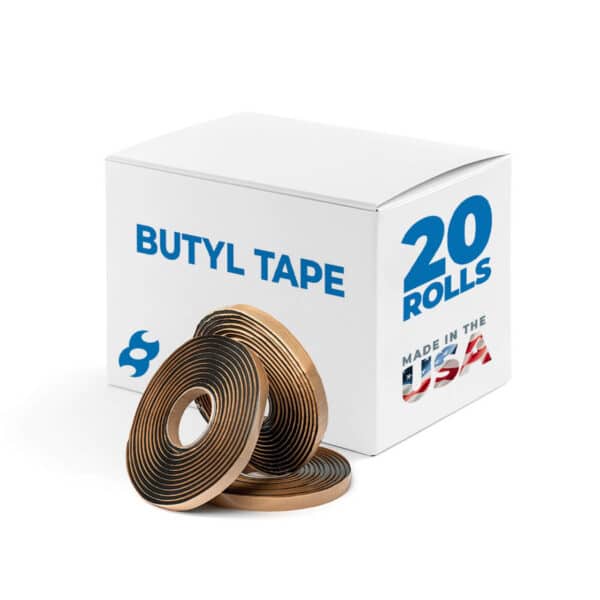
1 x roll of sealant tape

COMMON QUESTIONS

Sound-deadening material helps control vibration and resonance in metal or fiberglass panels. This can reduce rattles and road noise while helping your speakers produce cleaner, more defined sound.

Start with panels that vibrate around your speakers and speaker pods. Doors, rear panels, floors, roofs, wheel wells and trunks are also common treatment areas. Always follow the installation areas and surface recommendations listed for the specific product.


Not always. Strategic placement on large, flat and vibration-prone areas can provide a noticeable improvement. Check the recommended coverage information on this page when planning how much material you need.

Remove dirt, loose material, rust and oily residue before installation. The surface should be clean and completely dry so the adhesive can make firm contact. Use only a cleaner that does not leave a residue or film.

Most installations require a utility knife or heavy-duty scissors, gloves, cleaning supplies and a hand roller. Gloves help protect your hands from sharp foil edges, while the roller removes air pockets and firmly bonds the material to the panel.