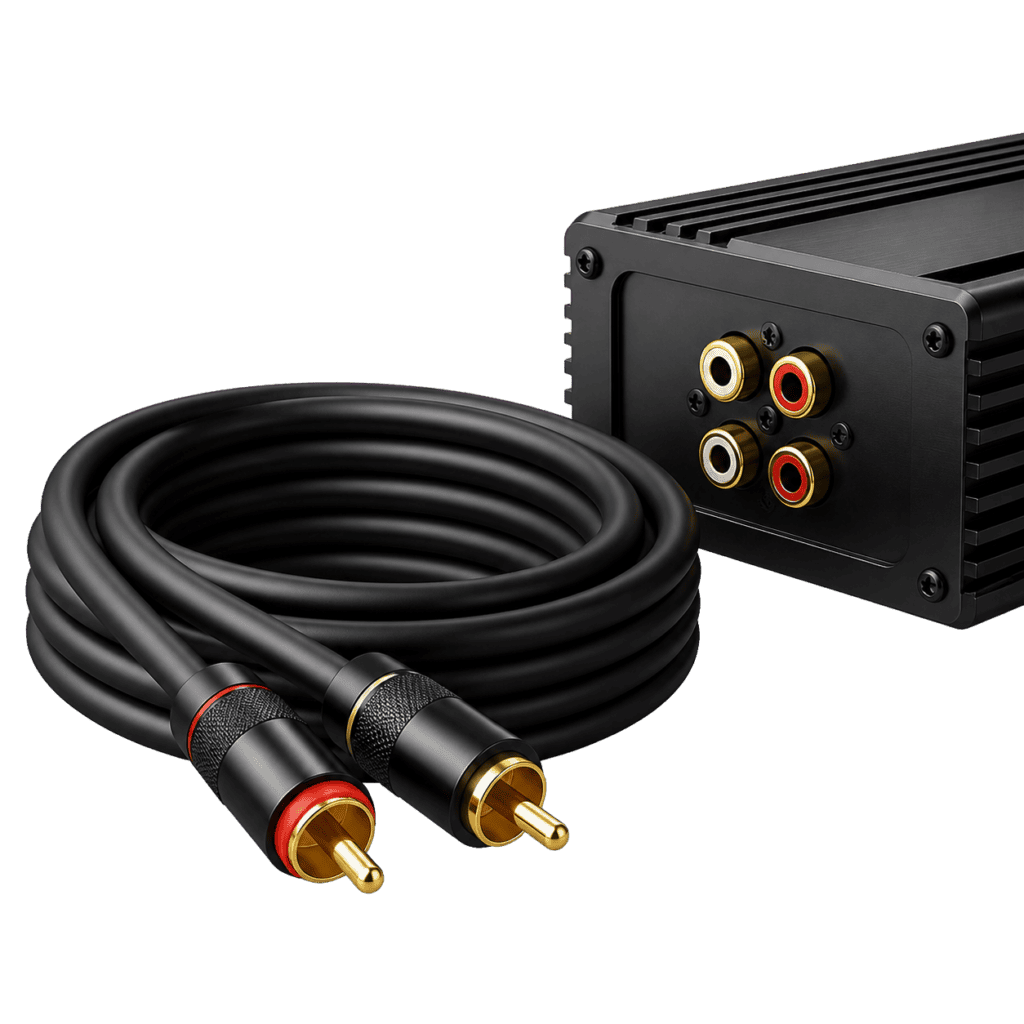
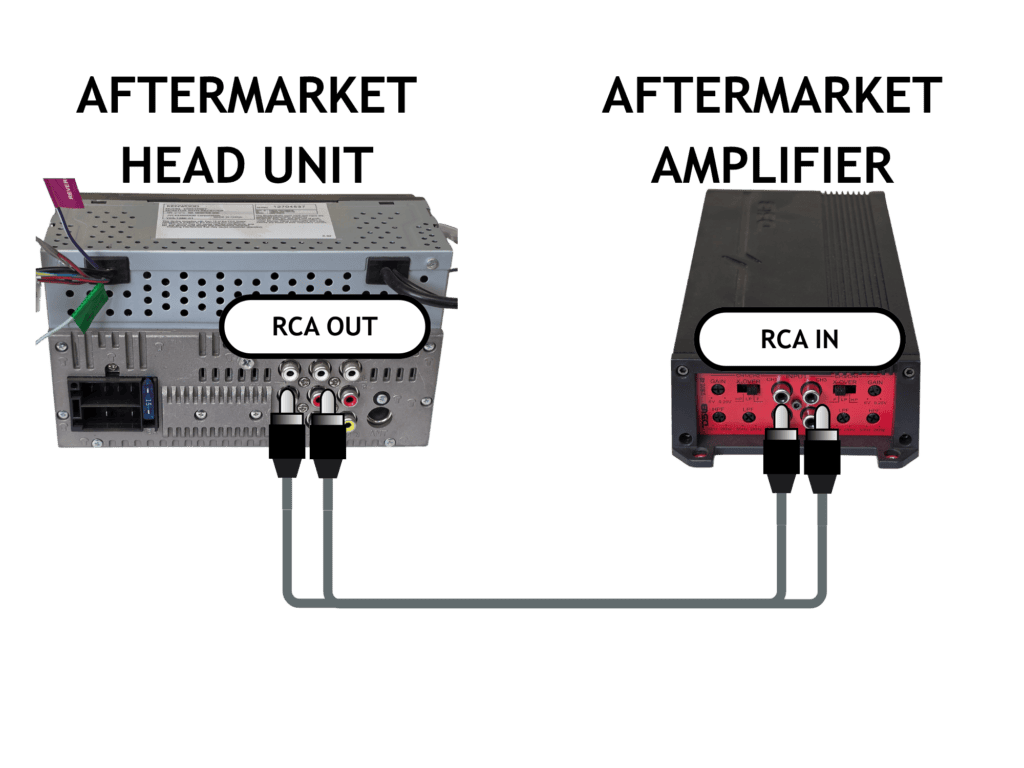
Match the RCA connections to the inputs on your source unit and amplifier. A 2-channel amplifier normally uses one stereo RCA pair, a 4-channel amplifier uses two pairs or one 4-channel cable, and a 5- or 6-channel amplifier may use three pairs. Mono amplifiers vary, so always verify the amplifier’s input requirements.
Measure the actual route from the source unit to the amplifier, following the path the cable will take through the vehicle. Include enough extra length for clean routing and comfortable connections, but avoid purchasing so much extra cable that it must be tightly coiled near the amplifier.
Yes, an RCA Y-adapter can send the same signal to multiple amplifier inputs when the equipment supports it. A splitter does not create separate or independently controlled channels—it simply shares the original signal. For complex systems or several amplifiers, a DSP or active signal distributor may be a better solution.
A line-output converter changes a speaker-level audio signal into the low-level RCA signal required by most amplifiers. You may need one when your factory or aftermarket source does not have RCA preamp outputs. Some powered converters can also provide signal summing, level adjustment, or a remote turn-on output.
A well-constructed RCA cable can help carry the signal reliably and resist interference, but it cannot correct poor grounding, excessive amplifier gain, improper routing, or a weak source signal. Choose a properly constructed cable that is compatible with your equipment and long enough for a clean installation.
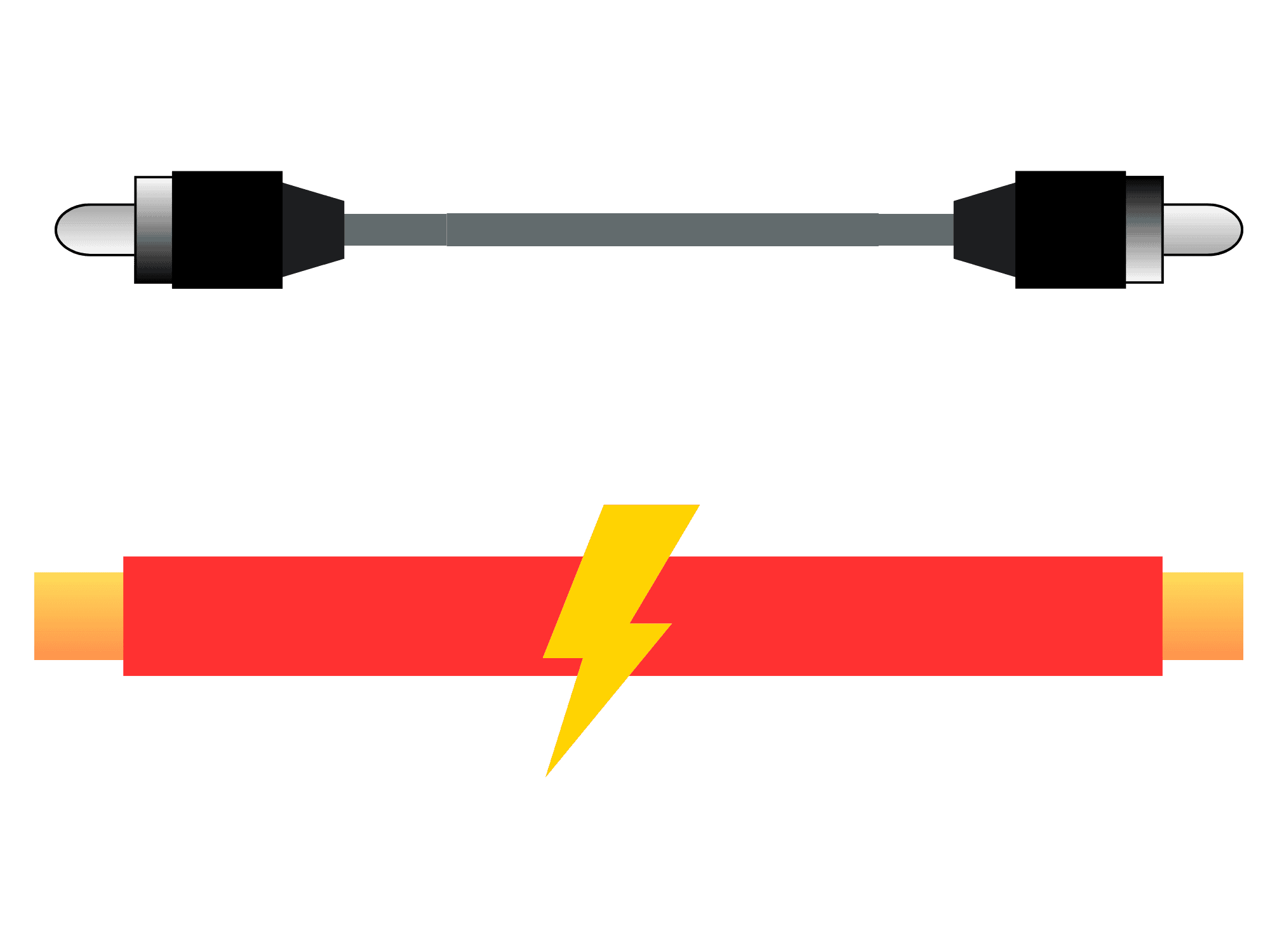
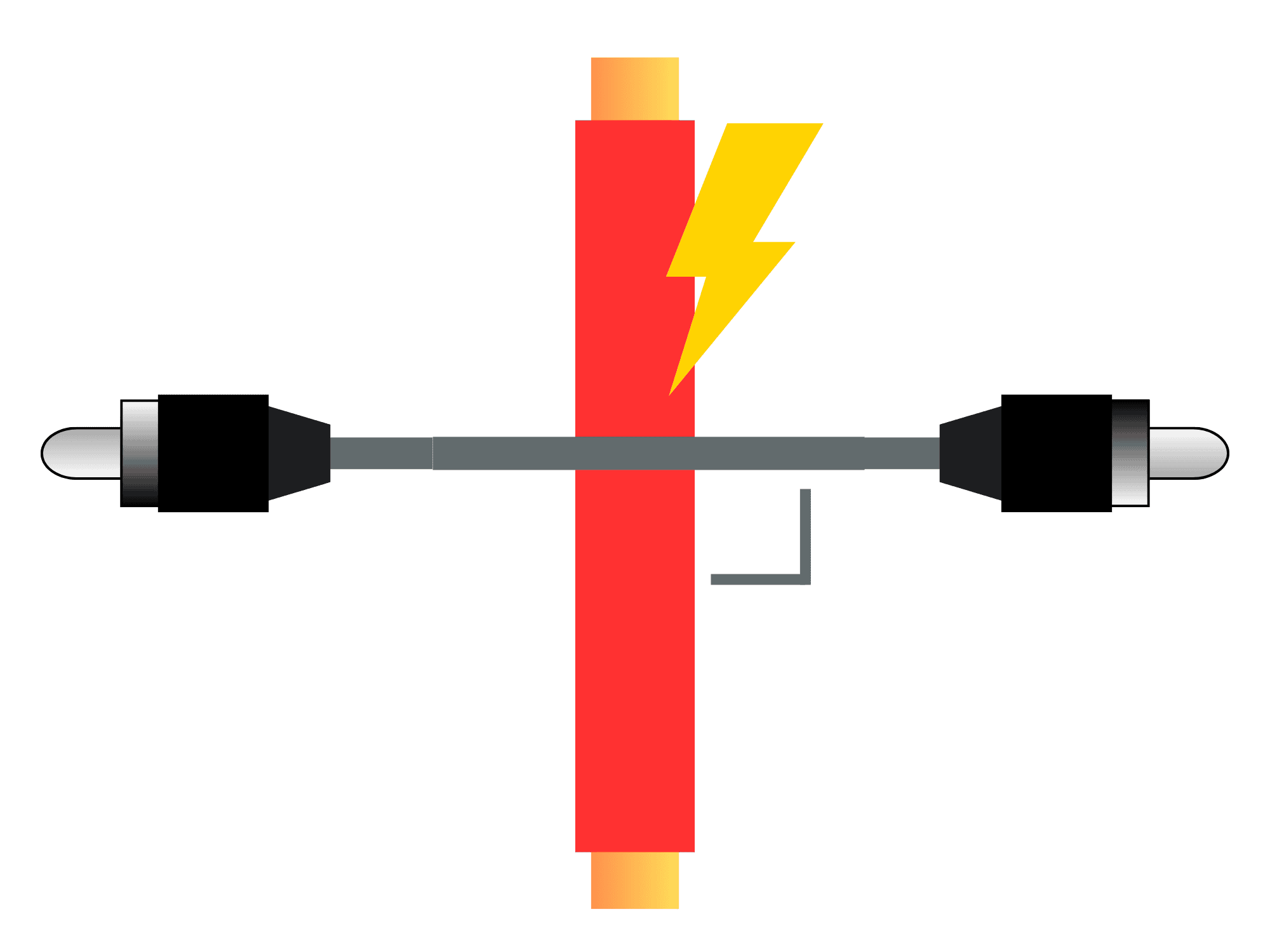
Noise can be caused by poor grounding, damaged RCA cables, loose connections, improper gain settings, or signal cables routed too close to power wiring. Verify the source and amplifier grounds, inspect every connection, route RCA cables away from power wire when possible, and cross power wiring at approximately a 90-degree angle.