
FREE SHIPPING ON ORDERS OVER $100**

Custom Speaker Pods guide

How to Select an Amplifier for Speaker Pods

By Chad G. Peterson

Car audio amplifier and speakers on a workbench

Concept image for amplifier selection.

What an external amplifier adds

An external amplifier takes the music signal from your radio or factory system and supplies power to the speakers. The right amp can provide more clean volume, help the doors keep up with a subwoofer, and give different speaker locations their own channels and filters. You do not need a huge wattage number to hear the benefit. Start with your speaker-pod system layout; then choose an amp that fits those speakers and the way you want the system to play.

Factory power can be a good start

Many factory systems can run one compatible 4-ohm aftermarket speaker per channel. With a door pod, that speaker sits ahead of the factory panel instead of playing from behind its grille, so you can hear the benefits of the speaker and its new position even at modest power. A dual pod may also run from a factory channel if its final load matches what that channel supports: two nominal 8-ohm speakers in parallel make a nominal 4-ohm load. That adds cone area but does not make the factory channel produce more power. Confirm the original speaker load and factory audio-system details first; some vehicles use different loads or processing.

Why a dual pod makes an amplifier more valuable

A dual pod gives you room for two speakers of the same size. Along with twice the cone area, the wiring can let a suitable external amp produce more total power. Two nominal 4-ohm speakers wired in parallel make a nominal 2-ohm load. If the amp is rated for 2 ohms on that channel, compare its published power at 2 and 4 ohms: many produce more at 2 ohms. That extra channel power is shared by the two speakers, while both cones help move air. This is one way a well-planned door system can deliver strong output without chasing an enormous amplifier.

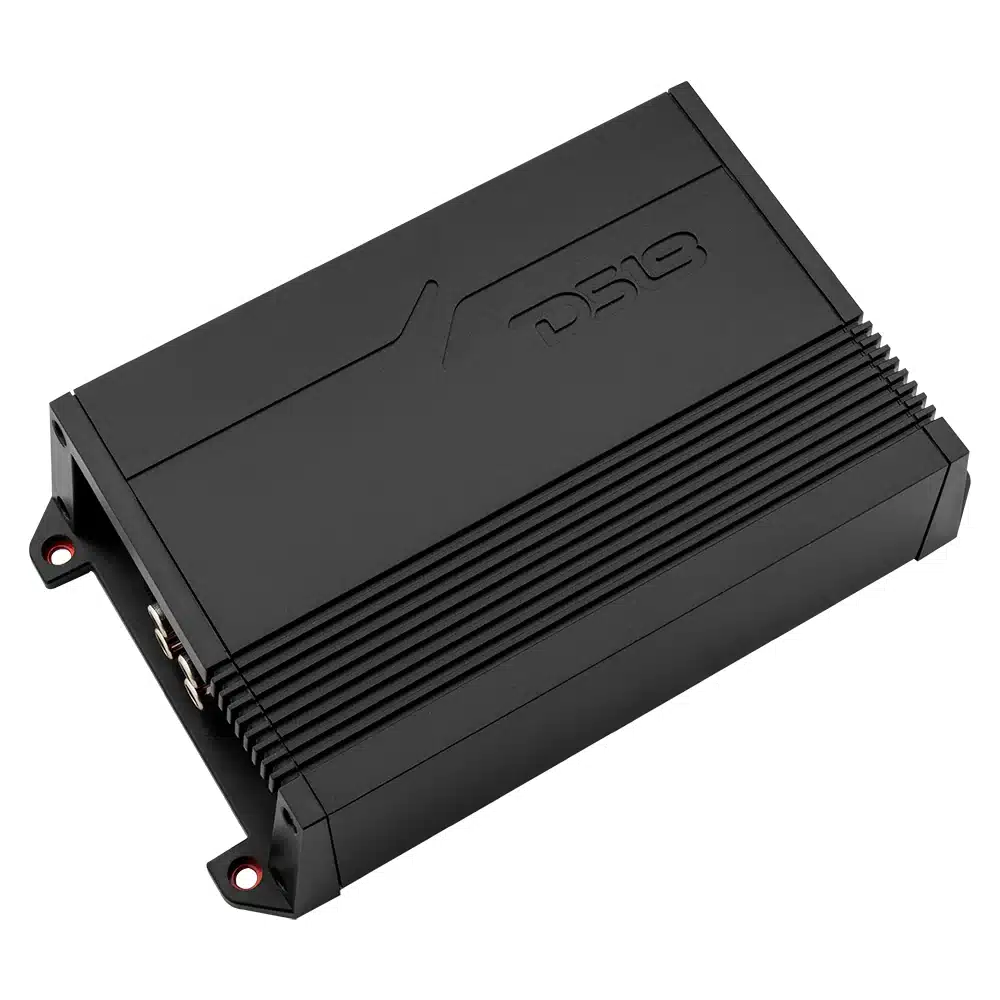
For a real example, the DS18 G1000.4D four-channel amp sold by CSP is listed at 90 watts RMS per channel at 4 ohms and 150 watts RMS per channel at 2 ohms. Two suitable 4-ohm speakers on one channel would share that 150 watts; one 4-ohm speaker would have a channel rated at 90 watts. The increase is in total channel power, not power to each speaker. Actual output and loudness depend on the speakers and installation.

How to select the right amplifier

Start with the system layout: which speakers are in the front doors, rear doors, and pillars, and which need independent control? Then compare amplifiers in this order:

  1. Count channels. One channel can power one suitable speaker or a correctly wired matching pair. A two-channel amp can serve left and right door groups. A four-channel amp can give front and rear groups separate control. A five-channel model may add a subwoofer channel. An active midrange-and-tweeter system may need more channels than a matched passive-crossover system.
  2. Check load and RMS power at that load. Write down the final impedance on each channel. Two 4-ohm speakers in parallel make a nominal 2-ohm load, so choose a channel rated for 2-ohm operation and compare its RMS output at 2 ohms with the speakers’ needs. That channel’s power is shared by the two speakers. Ignore “max watts” when making this comparison.
  3. Check filters and factory-radio connection. The amp or a matched crossover must keep unwanted low notes out of small speakers. If you keep the factory radio, confirm whether the amp accepts its speaker-level signal or whether you need an integration device or DSP. A DSP is a processor that can also help adjust levels and timing.
  4. Plan the installation. Check the exact amp’s power-wire, fuse, grounding, mounting, and cooling requirements. These are part of selecting an amp that fits the vehicle and the build.

The right amplifier is the one that has enough suitable channels and clean power at your actual speaker loads. The speaker wiring and amplifier-load guide helps you check that layout before buying.

Amplifiers you can find at Custom Speaker Pods

DS18 G1000.4D: a practical four-channel step up

DS18 G1000.4D four-channel amplifier

The DS18 G1000.4D shows how a moderate-power amp can serve both single-speaker and dual-speaker door pods. CSP lists four channels, high- and low-pass filters, and the 90-watt/150-watt per-channel ratings above. It is an example to compare with your actual speakers and channel plan.
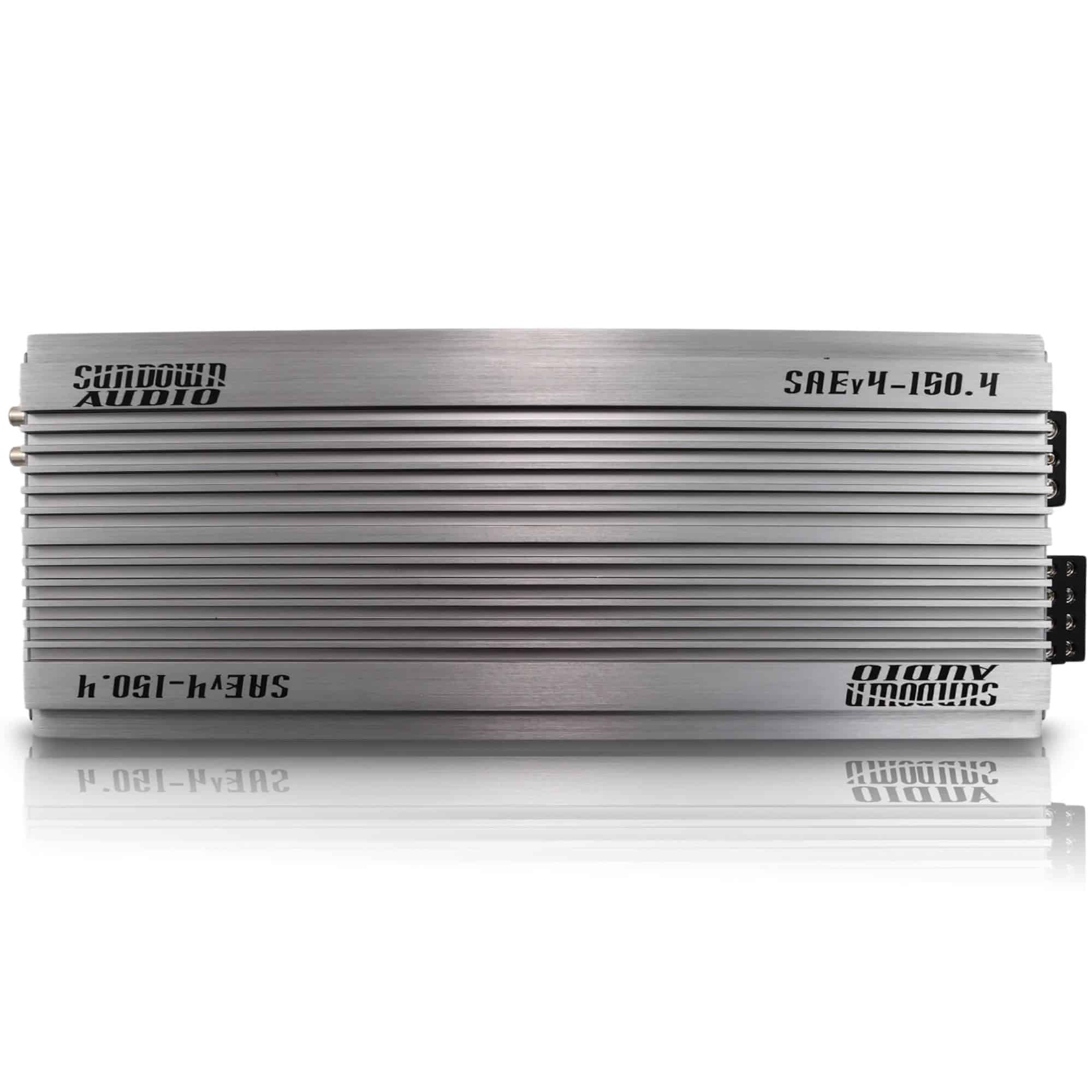
Sundown SAEv4-150-4: more power per channel

Sundown Audio SAEv4-150-4 four-channel amplifier

CSP lists the Sundown Audio SAEv4-150-4 at 150 watts RMS × 4 at 4 ohms and 225 watts RMS × 4 at 2 ohms. It is another four-channel option when the chosen speakers and output goal call for more power. Compare the rating at your planned load with what each connected speaker can use.

These are examples, not automatic matches for every pod build. Browse CSP’s amplifiers for other channel counts and power levels.

Bring the choices together

Choose the pods available for your vehicle, list the speakers for each opening, and mark which ones will share a channel. Compare that plan with the amp’s channel count, RMS ratings at each final load, filters, and factory-radio connection. Then browse CSP’s amplifier selection for a model that meets those needs. A well-matched modest amp can make a speaker-pod system sound strong and balanced without choosing by the largest wattage number.